Ancient Strength
Meels, clubs and Sang shields
Old school tools for strength, co-ordination and mobility

What is Ancient Strength?
*
What is Ancient Strength? *
121 training on Persian meels in Deptford, London UK - click for volume
Ancient Strength Tools: Persian meels, Sang shields and Indian clubs
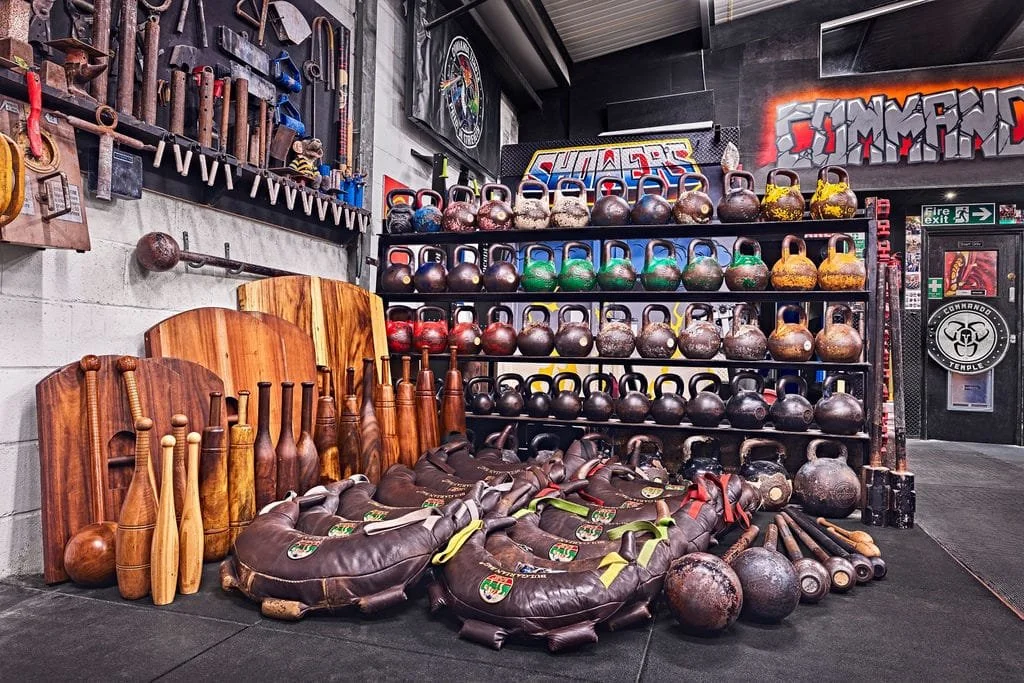
By ‘ancient strength’ I’m referring specifically to these 3. Long before you could get your hands on a barbell, any machines and a very long time before going to the gym and witnessing ‘international chest day’ people built strength using simple, heavy awkward objects. Usually the meels (or ‘mils’), clubs and Sang are wooden, they are steeped in hundreds of years of history and they work co-ordination, rhythm, balance, resilience and strength. Complex and challenging, they really get the body moving.
Persian Meels: Heavy Clubs for Strong, Happy Shoulders
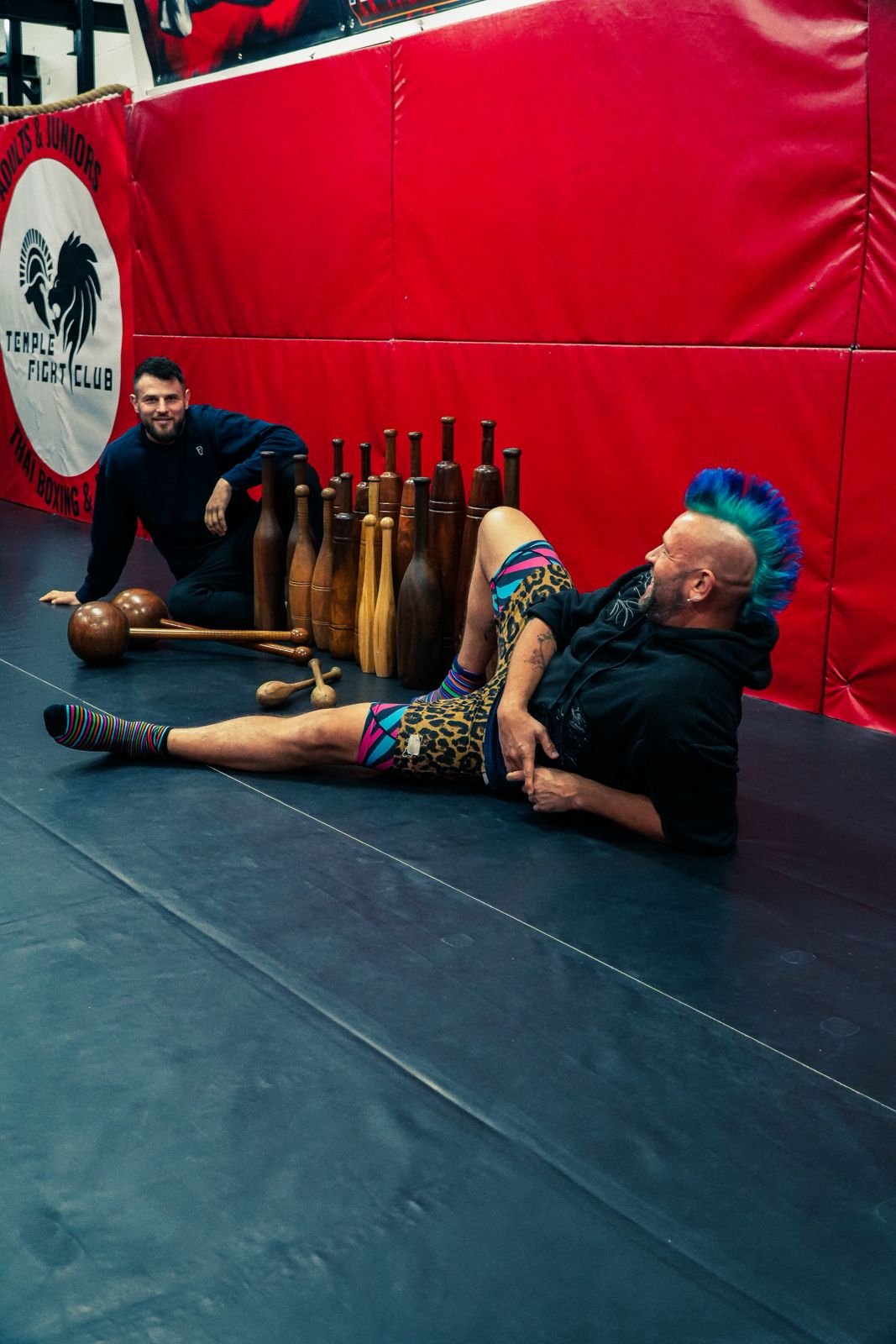
Persian meels are large wooden clubs traditionally used in Varzesh-e Pahlavani — an ancient Persian strength practice combining physical training, rhythm, and community. It’s like a spiritual martial art that dates back to at least the 17th century when warriors of the Moghul dynasty would use them to train for fighting with swords. They look intimidating. It’s just a case of knowing where to start with them!
What Do Persian Meels Do?
Meels are swung through controlled arcs, in basic to complex patterns often involving lots of different combinations in one flow. They: strengthen shoulders through full ranges of motion, build grip, forearm, and upper-back strength. These movements challenge coordination and posture and load connective tissue gradually and safely. Unlike machines, meels don’t lock you into one path. Your body has to organise itself. I like to think of training with them as a dance where I’m controlling falling weights!
Great for:
people returning from shoulder injury
climbers, lifters, and manual workers
anyone who wants strong arms without wrecked joints

Indian Clubs: Flow, Coordination & Joint Health
Indian clubs are the smaller, lighter cousins of Persian meels. They’ve been used for centuries across South Asia and later adopted by military trainers and physiotherapists. The smallest ones were adapted by the British, and used to train for fencing. Fun fact - the Perrier bottle design is based on the shape of Indian clubs. Unlike meels, clubs come in a variety of shapes. From lollipops to wine bottles!
Great for:
improving shoulder and elbow mobility
training coordination between arms and torso
developing rhythm and timing
supporting long-term joint health
sequencing flows and being meditative
combating feel stiff or restricted


Sang Shields: Rotational Strength & Real-World Power
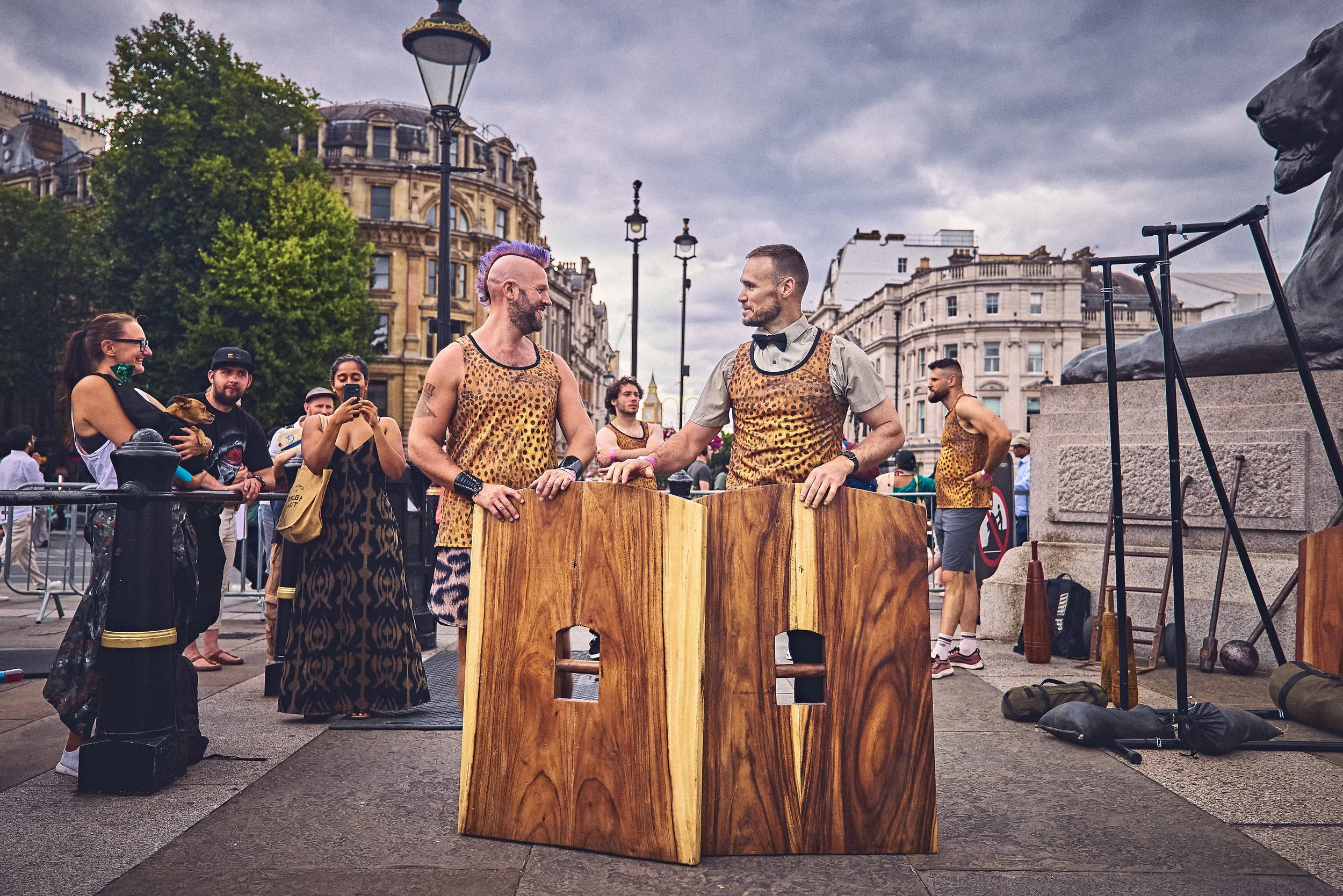
Sang shields are weighted shields inspired by traditional Persian training tools. ‘Sang’ actually means ‘stone’ which gives us some insight into what they were originally made from.
They’re fantastic — and criminally underused. Most movements you do with them are performed on your back with legs straight. It’s like a floor press but with serious style. The shields start in locked out arms, on the back of the forearm with the round edge pointing DOWN. They are then lowered in a variety of angles and patterns creating a gorgeous viewing experience. You won’t know a thumb, pec and tricep pump like it!
So good for people who like strongman style training, who are looking for a different sort of challenge. If bench pressing feels crap on your wrists, shoulders or elbows I highly recommend you try these out! And yes, they’re very fun!
Great for:
rotational and diagonal strength
core stability
shoulder stability under load
coordination between upper and lower body
Real life rarely happens in straight lines. Shields reflect that.