If you’ve ever seen someone swinging a croissant-shaped sand bag and thought, what on earth is that? Welcome to the world of Bulgarian bags.
Used by wrestlers, grapplers, strongman athletes and functional fitness enthusiasts, the Bulgarian bag is one of the most versatile tools you can add to your training–whether you’re building rotational strength, rehabbing your shoulders, or just want a conditioning tool that isn’t a treadmill.
This guide breaks down:
What Bulgarian bags are
Why they’re so effective
Who benefits from using them
Easy beginner exercises
How to choose the right weight
Let’s get into it.
What Is a Bulgarian Bag?
A Bulgarian bag is a crescent-shaped training tool originally designed for shepherds and wrestlers in Bulgaria. Intriguingly the shape is meant to represent a lamb. At animal markets it was fairly commonplace to get a lamb home by getting it up on your shoulders, swinging it up by holding onto both sets of legs like handles. In fact there’s a Bulgarian bag exercise called a ‘lamb swing’ for this reason. The bags are usually leather, sometimes vinyl, and filled with sand, gravel, off-cuts of fabric and who knows what else! Other features of the bags:
Three handles (for grip varieties)
Two side straps (to help with grip and increase length)
A curved shape (sits naturally across the shoulders or arms)
The design allows for swinging, spinning, grappling, pulling, pressing, and conditioning work - often all within one session.
If kettlebells and medicine balls had a chaotic, athletic baby, it would be the Bulgarian bag.
Why Bulgarian Bags Are So Effective
1. Full-Body Power with Minimal Load
Because the weight moves away from the centre of mass, even a 5–10 kg bag feels spicy.
This means you can develop power, speed, and grip strength without going heavy.
2. Incredible for Shoulder Health
The curved shape and strap handles encourage:
External rotation
Controlled internal rotation
Dynamic stability
Scapular movement
Perfect for athletes who want durability, not just muscle.
3. Conditioning That Actually Feels Fun
Forget steady-state slogging––Bulgarian bags blend cardio + strength + skill.
They’re rhythmic and flowy without being complex.
4. Rotational Training (Most Equipment Misses This!)
If you want to twist, spiral, rotate, and anti-rotate like a real human being, these are unmatched.
5. Built for Athletic Movement
Especially useful for:
Grapplers
Strongman athletes
Club & meel practitioners
Functional fitness lovers
Runners and climbers
Anyone rehabbing shoulders or building coordination
Easy Beginner Bulgarian Bag Exercises
1. Spins (Light Bag Recommended)
A classic rotational drill that builds mobility and core control.
Start slow and focus on smooth circles, not speed.
It’s a little like a kettlebell halo except you let the arms go long in front of you, before bending elbows and drawing the bag across your back.
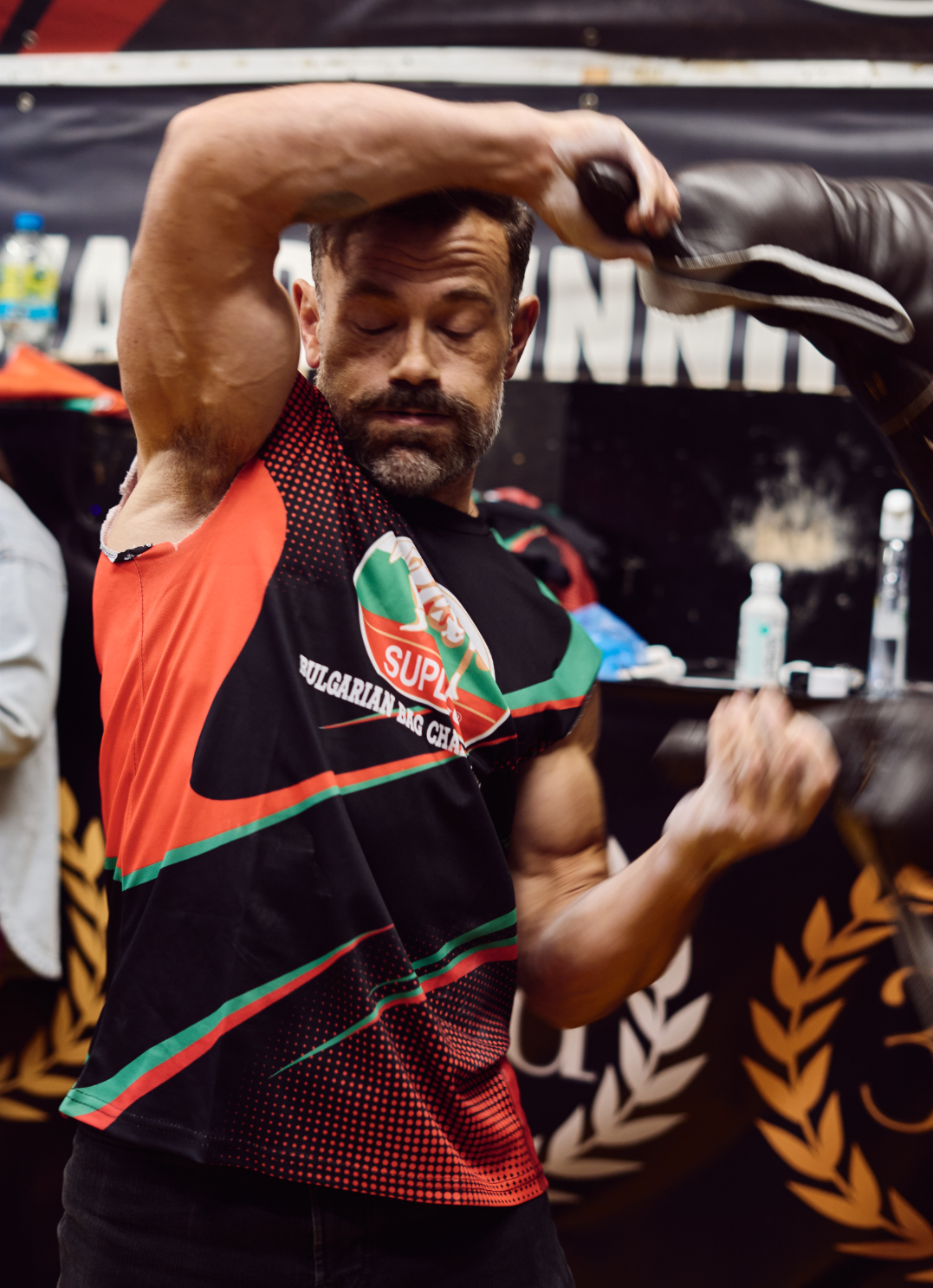
Oli, one of our gym members, performing spins at the Bulgarian bag championships UK 2025. The first exercise in the muscular endurance test is max spins in 6 mins
2. Bulgarian Bag Swing Squats
Start with the bag between the heels with a reverse grip.
Drive hips forwards and squat down as the bag pops out in front
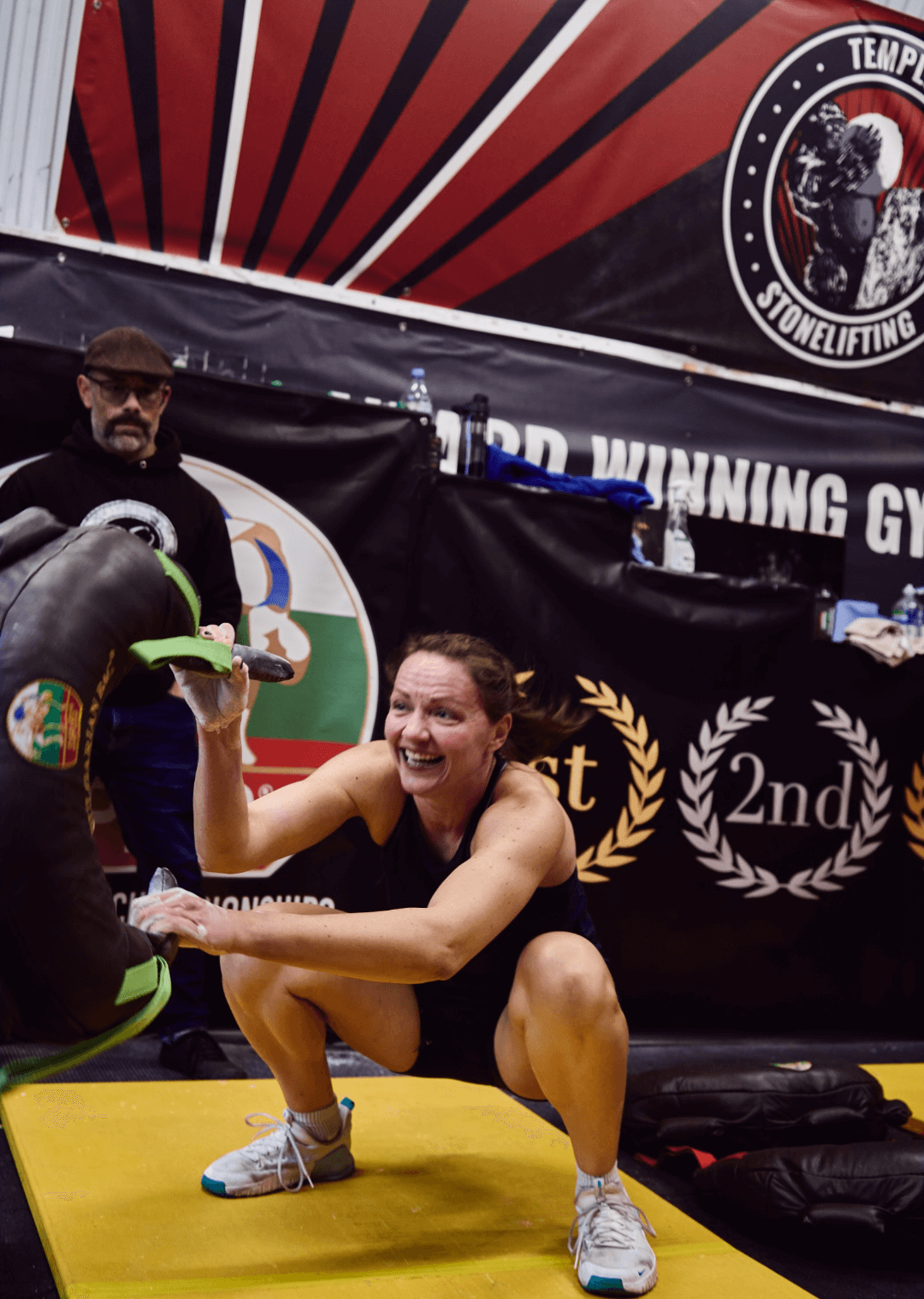
Sanne performing swing squats during the Bulgarian bag championships. In competition this is max reps in 5 mins!
3. Snatch
Reverse grip again - swing the bag between the legs and pull up overhead so it lands on the back of the forearms
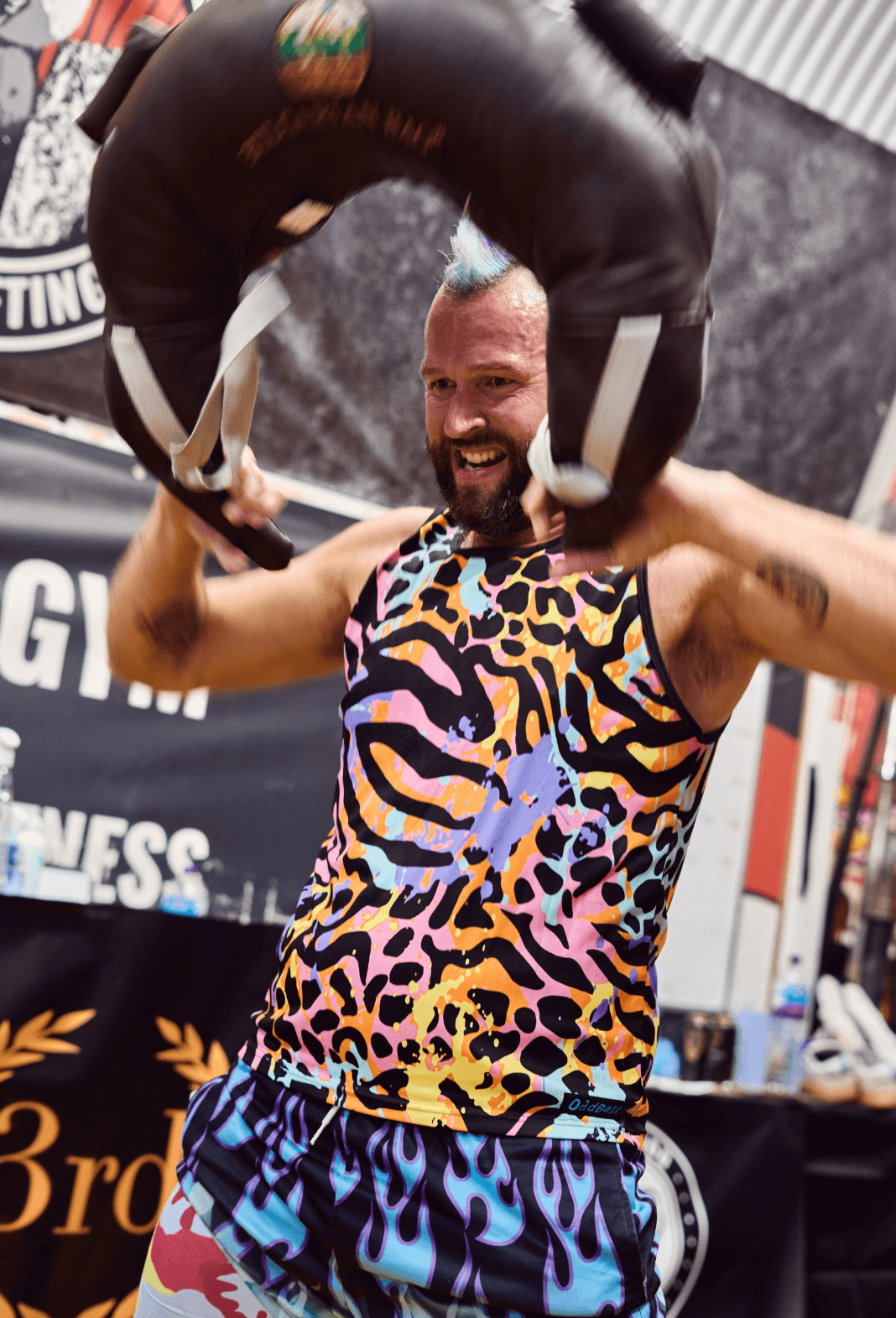
Me performing snatches. In the championship, this is max reps in 4 mins
4. Squat and press
Simple exercise for anyone this, hold outside handles. Squat down then press overhead in one motion.
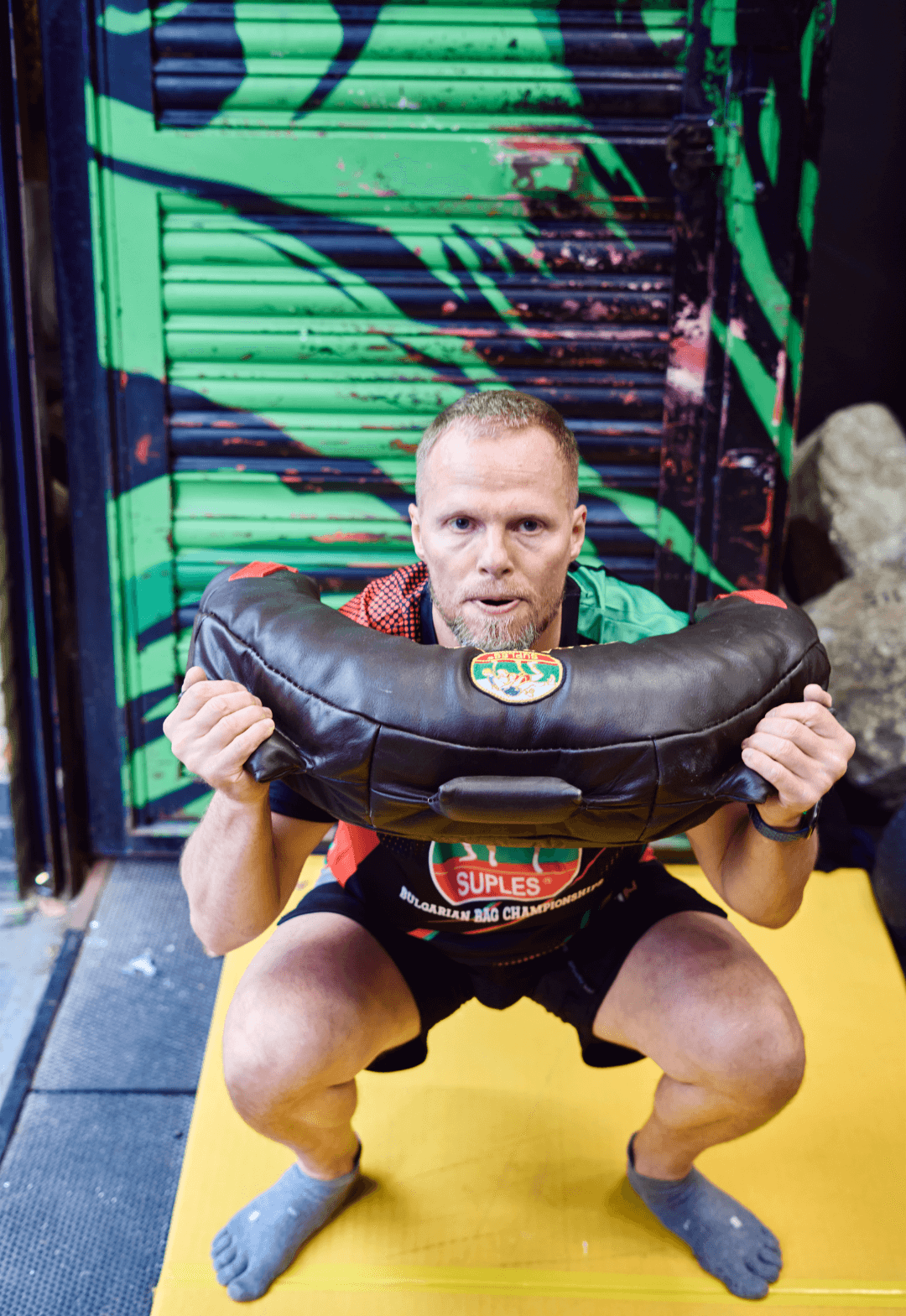
3 mins of squat and press performed by Csaba - one of the Hungarian athletes that competed with us.
Beginners usually do best with:
3–5 kg if you’re newer or rehabbing
8–10 kg if you strength train regularly
12–15 kg if you’re already experienced with clubs/meels/strongman
Because movement is dynamic, start lighter than your ego wants to.
Who Should Train with Bulgarian Bags?
Strongman / Strongwoman / Strongpeople
For explosive power, grip strength and cardio bursts.
Club & Meel Practitioners
They complement rotational patterns beautifully.
Athletes with Shoulder Tightness or Instability
Dynamic but controlled movement does wonders.
Anyone Bored of Conventional Weights
If you crave something more playful, these deliver.
Injury Rehab Clients
Used properly, bags are brilliant for returning to rotational and overhead patterns.
Why Functional Strength Athletes Love Them
Because they build real-world strength:
Carrying
Rotating
Bracing
Throwing
Pulling
Recovering
Endurance under movement
And unlike machines, Bulgarian bags teach your body how to move through space, not just move weight in a straight line.
How to Add Them Into Your Training Week
Beginners can start with:
10–15 minutes at the end of a session, or
2–3 dedicated bag sessions per week
To discover more about Bulgarian bags and join us for a free session, get in touch via the button and you can come to bag club at the Commando Temple every Friday at 9am!